
Malay
Nasi lemak
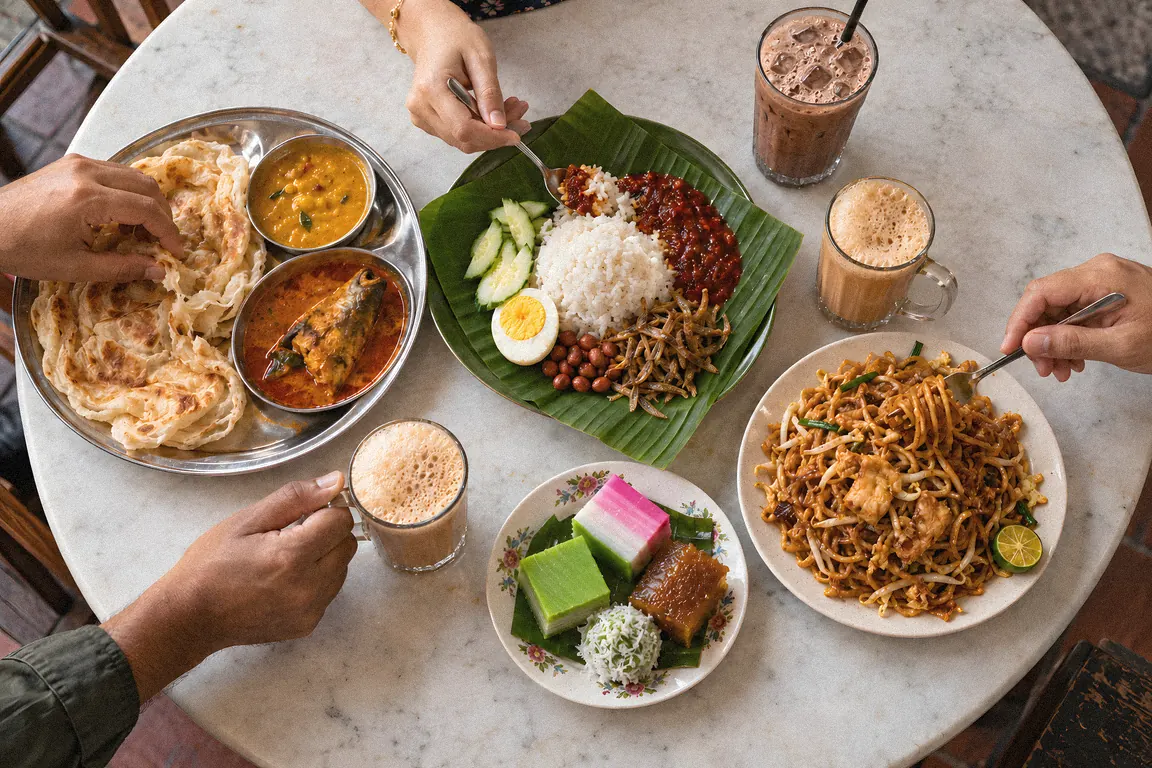
Rice cooked in coconut milk and pandan, with sambal, ikan bilis, peanuts, egg, and cucumber. Breakfast, lunch, or supper. Everyone has a favourite stall, and an opinion about the sambal.
The food journal, made in Malaysia
A private food journal. Coming soon to iPhone.
Nenek’s rendang. Ah Ma’s soup. Paati’s rasam. The stall with no signboard that sells out by noon. Keep them all in remakan, a private food journal: a photo, a rating, a note, and where to find it again.
Why food stays with us
We eat to stay alive. But every meal also carries memory, comfort, and the story of where we come from. That is why one spoonful can take you home.
Your brain maps food like a hunter. In one study, people remembered where they had seen high-calorie foods better than low-calorie ones. No wonder you can find that nasi lemak stall in the dark.
Smell is the only sense wired straight to the brain’s memory and emotion centres, and much of what we call taste is really smell. Curry leaves hitting hot oil can bring back a whole childhood kitchen.
Good food triggers dopamine, the brain’s reward signal. Comfort food also reminds us of the people who fed us. That is why bubur on a sick day feels like being looked after.
Rendang at Raya. Yee sang at Chinese New Year. Murukku at Deepavali. We know the season by what is on the table.

Your brain already keeps a food journal.It just loses pages.That is what remakan is for.
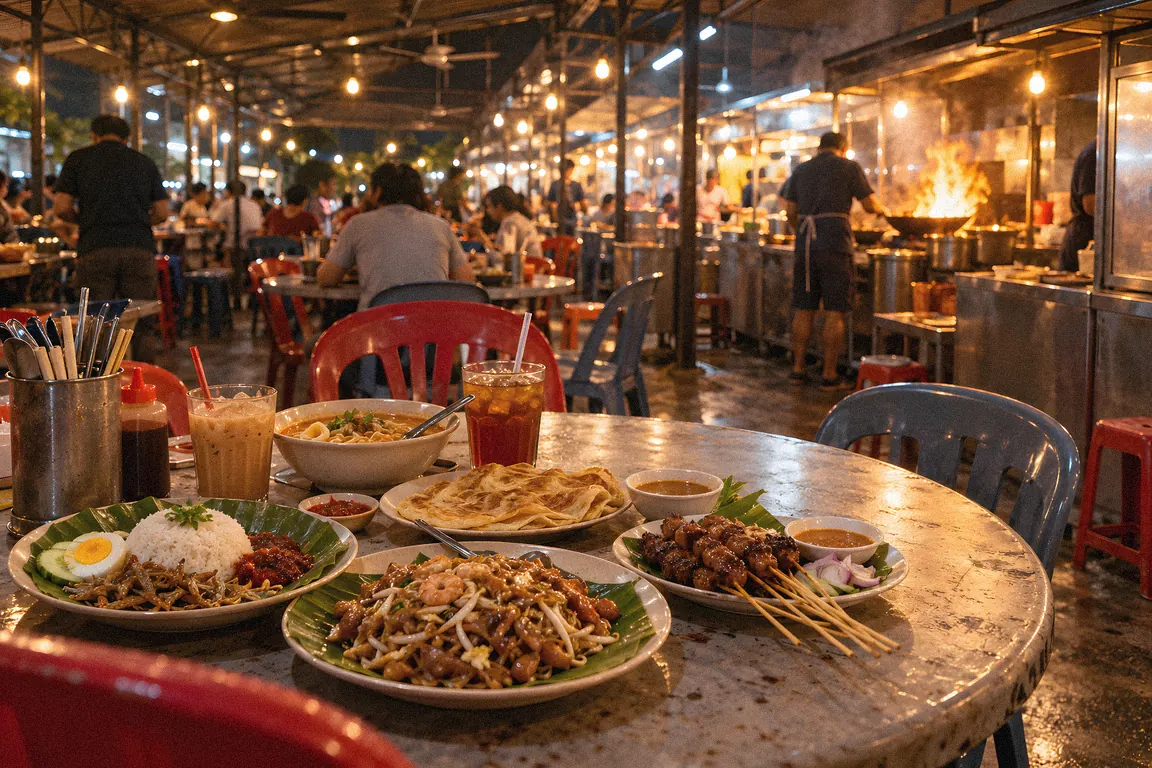
Few countries eat like this. Malay, Chinese, Indian, Peranakan, Kadazan-Dusun, Iban, and many more cooks share the same streets, often the same coffee shop. And some dishes were born right here.
We plan the next meal while we eat this one.
Malay
Rice cooked in coconut milk and pandan, with sambal, ikan bilis, peanuts, egg, and cucumber. Breakfast, lunch, or supper. Everyone has a favourite stall, and an opinion about the sambal.

Hokkien, from Klang
A herbal pork rib soup from Klang. The story goes that port workers ate it at dawn, for strength before a day of hauling. Still best early, with rice, yau char kwai, and strong Chinese tea.

Tamil Muslim, from Penang
Named for the kandar, the shoulder pole that early hawkers used to carry rice and curries through Penang. Order it banjir: every curry poured on until the rice floods.

Peranakan, from Melaka and Penang
Bright, layered sweets of coconut, pandan, and gula melaka. Made slowly by hand, from recipes that Peranakan families pass down through generations.

Sarawakian, from Kuching
Not curry laksa, not assam laksa. A broth of sambal, spices, and coconut milk with prawns, omelette, and chicken. Kuching eats it for breakfast. Sarawakians who move away miss it first.

Kadazan-Dusun, from Sabah
Raw fish cured in lime juice with chilli, ginger, shallots, and grated bambangan seed. Fresh and sharp, and a favourite at Kaamatan, the harvest festival.
Malay, Chinese, and Indian food, cooked the way families here have cooked it for generations. Western, Japanese, and Korean food that made itself at home.


With this much to eat,the hard part isremembering it all.
How remakan works
A private food journal for your phone. Save what you ate, where you ate it, and what to order next time.
Take a photo, name the dish, and rate it out of five. Later, filter by rice dishes, noodles, or soup to find it again.

Keep the note that will matter next time: tambah sambal, teh kurang manis, closed on Tuesdays, sold out by 11.

The best char kway teow can come from the plainest stall. Rate each one on its own, mark a place as halal or air-conditioned, and keep a list of places to visit.

Every month you get a short recap: how many dishes you kept, your five-star finds, and the kinds of food you came back to most.

The same dish from different places sits side by side, so you know whose curry mee you like best. Your five-star dishes are one tap away.

Private by default
This is not a review site. What you write is for you, like a notebook in your pocket.
Read the privacy policyBaca dasar privasi dalam Bahasa Malaysia
There are no followers, likes, or public reviews. Other people cannot see your ratings, notes, or photos.
Location data is removed from every photo that you save.
Food suggestions use AI only if you allow it. You can turn them off in My Account at any time.
A shared link shows only the place. Your ratings, notes, and food photos stay in your journal.
Delete your account in the app, and your journal and photos are removed at once.
The iPhone app is with Apple for review now. Start your food journal with the next good meal as soon as it is out.